
Posts by: kcaron
Emotions can lead to costly decisions. A recent study by Dalbar, Inc. shows that investment results are more dependent on investor behavior than on fund performance. Mutual fund investors who hold on to their investments tend to be more successful than those who try to time the market.
Periodic market declines are a normal part of investing, but can seem frightening when they do happen. During those times it is easy to become shortsighted which can lead to bad decision making.
History has shown that volatility tends to fade over time. Moreover, one of the best ways to adjust portfolio volatility is by choosing a mix of assets that best suits you.
During the last market downturn, an investor owning a balanced portfolio experienced a milder decline and faster recovery than an all-stock portfolio. For many, this sort of balanced approach can be an effective strategy for staying invested during rough markets.
Chasing the latest fad can be costly. One year’s “hot performer” can easily become next year’s laggard. A diversified portfolio across multiple asset classes has tended to deliver a more consistent result over time, which can help you stay the course over time.
We believe companies with a history of increasing dividends provide a good starting place in a search for fundamentally strong and growing companies. Importantly, steady dividend growth often follows consistent profitability and shareholder-focused management. A dividend growth perspective looks beyond today’s yield and considers other factors, such as quality, growth, risk, and value. A track record of dividend increases can be viewed as a tangible signal by a company’s management that they are both willing and able to boost a payment to shareholders. This commitment suggests quality fundamentals currently and an expectation of continued improvement into the future.
Your goals should be at the heart of your financial plan. In practice, you may have multiple goals, a varying risk profile, and multiple horizons, making financial planning a complex process. A goals-based investing approach starts with consideration of goals and needs. You and your advisor then estimate how much of your portfolio should be invested in lower-risk assets to meet your most critical needs and obligations. Once these needs are covered, excess portfolio assets can then be allocated toward meeting other priorities and desires. Finally, any excess capital above and beyond basic needs, priorities, and desires can be allocated to
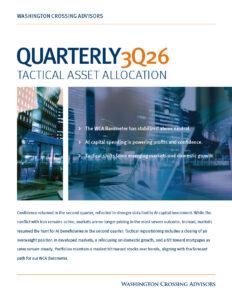
Quarterly Report
Principles
Dividend Investing

The Case for Rising Dividends
A strong case can be made for dividend growth investing. The Case for Rising Dividends explores the rationale and evidence behind the dividend growth philosophy.
Read More ›